

Put yourself in your neighbor’s boots! A Grizzly’s perspective on cowboys, conservation, and community
- Mathilda Barr
- Jan 20
- 6 min read
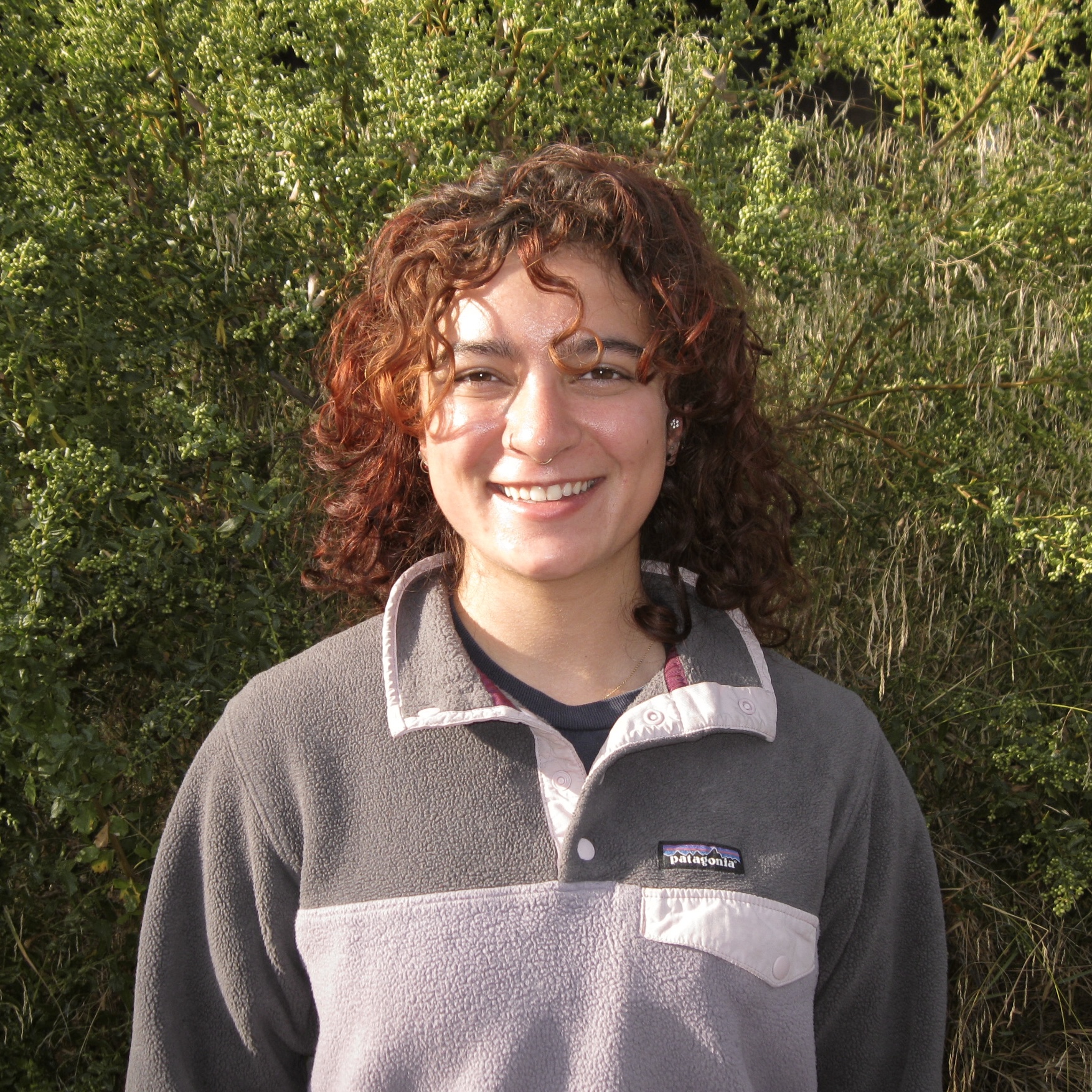
The world around me takes the clearest shape when I am on the back of a horse. It is through the viewfinder of a horse’s ears that I begin to make sense of new experiences, ask questions, and build community where I feel the pull of contention. Four years ago, I took the saying “put yourself in someone else’s shoes” a bit too literally and traded my Doc Martens for cowboy boots to work as a wrangler in rural New Mexico. Since then, I have oscillated between life as a student and as an aspiring rancher, trying to understand the many ways in which humans, animals, and the environment shape each other. In the first months of my GrizzlyCorps fellowship with Shasta Valley RCD, I have returned to the saddle to better see my community: the cattle ranches and rangeland, the Klamath mountains, the winding Shasta River, and the complex ecosystem of environmental, economic, and political challenges that face them.

When I moved to New Mexico, I had never lived outside of a major city. I came as a vegetarian, armed with a firm belief that cattle ranching was one of the greatest environmental sins. I wasn’t expecting to get along with my fellow wranglers, most of whom were from the rural South. But as it turns out, sharing a tiny bunkhouse with 3o of your coworkers means you get close quickly. Every morning at 4:00 am, one alarm would go off and suddenly the entire bunkhouse was leaping out of bunk beds, tugging on cowboy boots, and bumping into each other in the bathroom as we prepared to gather horses from pasture. As we combed through the rangeland shrubs in the early light, our horses shoulder to shoulder, I started to see the web connecting land and life around me. To ranch is to have a slow conversation with the land in an age that rewards convenience instead. In leaning on the grasses, streams, and shade to provide for our animals, the wranglers and I were in community with the grasslands, forests, and natural world around us. We were building a relationship of reciprocity, where we felt pulled to caretake land and livestock responsibly so that future generations could share the same feeling of belonging.

I let this shared understanding of community shepherd my conversations with coworkers and ranchers and we built relationships of trust where I had imagined only disagreement. I came to understand ranchers as stewards, balancing the ecological and economic resilience of their communities. When the land wilted with drought, I watched the ways the cowboys adapted their management strategies to support cattle and crops in trying times. I asked endless questions: What does it mean to raise cattle in harmony with the environment in times of environmental change? What do you hope this land will look like in 50 years? I wondered, if we don’t prioritize empowering producers to continue to farm or ranch in harmony with the environment, what will the future of our food system become?
These questions laid the foundation for my interest in regenerative ranching and conservation agriculture and led me to my term as a water, soils, and rangeland GrizzlyCorps fellow here in Siskiyou County. For the second time, I had moved to a rural ranching town, except I didn’t have the natural sense of kinship from a shared bunkhouse or long days working horses and cattle in the backcountry. I thought back to the camaraderie I had felt riding alongside my coworkers, and the curiosity our conversations had sparked, and I knew I had to get back in the saddle. With a bit of persistence and Facebook networking, I soon found myself sorting cattle on a little red mare in the shadow of Mount Shasta. I had been training her for several weeks for a ranching family in Shasta Valley, but this was both of our first time in the small wooden pen, weaving between black Angus to separate mama cows from calves. My rancher friends had welcomed me with warm hospitality, patiently showing me how to read the behavior of the cattle and respond quietly and efficiently. The mare, hesitant at first, slowly grew confident and quick in the sorting pen, electrified by the possibilities of her new job. I wondered, if she could thrive so quickly in a new job and environment, couldn’t I?

The answer to that question was quickly affirmed when my community began to grow and I found myself horseback nearly every weekend, riding along the Salmon River, over lava rock in the eastern county, and training mustangs in Yreka. In between calf pennings, vaccinations, and heifer breedings, larger discussions began to emerge about ranching in Siskiyou County. I opened my ears to stories of drought, wildfire, livestock depredation, and other setbacks cattle producers encountered in the region. I listened to the uncertainties and frustrations they experience with water rights, irrigation, and curtailment. But most importantly, I heard how they cared deeply for their land and livestock. I had felt it in New Mexico: the way ranching ties you inseparably to your ecological community, and I was beginning to feel it too in Siskiyou.

At the RCD, I was stepping into an entirely new kind of boots. I spent most of the late fall in waders, learning how to download water quality data from sensors and take in-stream flow measurements. I had studied water as an economics student in college, but through months of endlessly staring at data and numbers on my computer, I had come to think of it two-dimensionally as an “ecosystem service”. Standing waist-deep in the frigid Shasta River in mid-November, I was kindling a new respect for this timeless symbol of my community. Watching the river crawl through miles of grassland, forking off to supply water to landowners, I began to imagine it as the circulatory system of Shasta Valley, pumping life into every fish, plant, cow, and rancher. With every fiber of my community so closely interwoven with the river’s health, I feel an obligation to return it the same care and attention it gives us.
Part of my job as a fellow is to collect in-stream data on water temperature and oxygen levels, two indicators of the river’s ability to sustain habitat for endangered salmon. Diversions for irrigation are one contributor to higher temperatures and reduced oxygen in the river, impacting salmon's ability to rear and spawn. As recent years have brought drought and increasing stressors to producers and the natural world, contention and distrust has marked many discussions about Shasta River water use. In conservation and agricultural spaces, there is one question I cannot go without hearing: Can cattle ranching and salmon coexist in Siskiyou County?

If anyone had asked me that question five years ago I would have said no. I would have maintained that ranching and conservation were opposing sides of the land management spectrum. But five years ago, I had never lived in a rural community, listened to the story of a rancher, or observed the ways that producers and the natural world are so deeply aligned. In New Mexico and California I have nurtured another perspective and seen how resilient working lands can regenerate landscapes, support economies, and provide safety and security for even the smallest creatures of the natural world. Riding alongside ranchers in Siskiyou, I have seen compost spreading strategies, tailwater management practices, and habitat improvement projects, driven by producers with a deep passion for stewarding the land and river that provide their livelihood. I have invited myself to become more imaginative, absorbing information from ranchers and ecologists and my coworkers at the RCD to envision a future where the Shasta River runs high, is full with salmon, and continues to feed a prosperous ranching economy.

Rather than adopting a prescriptive “one size fits all” approach to ranching, I believe that continued adaptable, resilient, and creative stewardship is the core of regenerative land management. Putting myself into the boots of both ranchers and scientists has shown me that curiosity and creativity are paramount to building a thoughtful conservation decision-making process. Looking out at Shasta Valley from the back of a horse, or waist-deep in the Shasta, I have noticed the smallest stories that my ecological community has to tell. Weaving together the details and perspectives I have observed, I have begun to grow a larger-scale practical understanding of ranching, conservation, and balance in Siskiyou County. My GrizzlyCorps fellowship has challenged me to live in a community with a new and unique context for environmental and agricultural projects, and I am excited to see what I continue to learn and observe during my time here.
I doubt all of you are also aspiring cowboys, but I invite you to put yourself in someone else’s boots and spend time with communities that may have a different perspective on conservation. Often, the best way to understand is to experience, so saddle up and see where your curiosity takes you.


Comments