

Grasslands: From Seed to Meadow
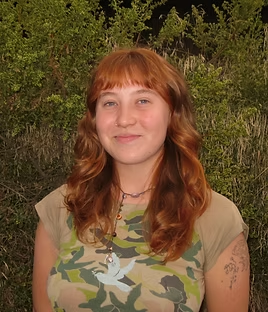

I didn’t know anything about grasses before working for the East Bay Regional Park District. Grasses were always a plant that I knew to persist in native ecologies, but my familiarity with the Poaceae family largely revolved around highly invasive species I would remove from habitat rather than introduce.
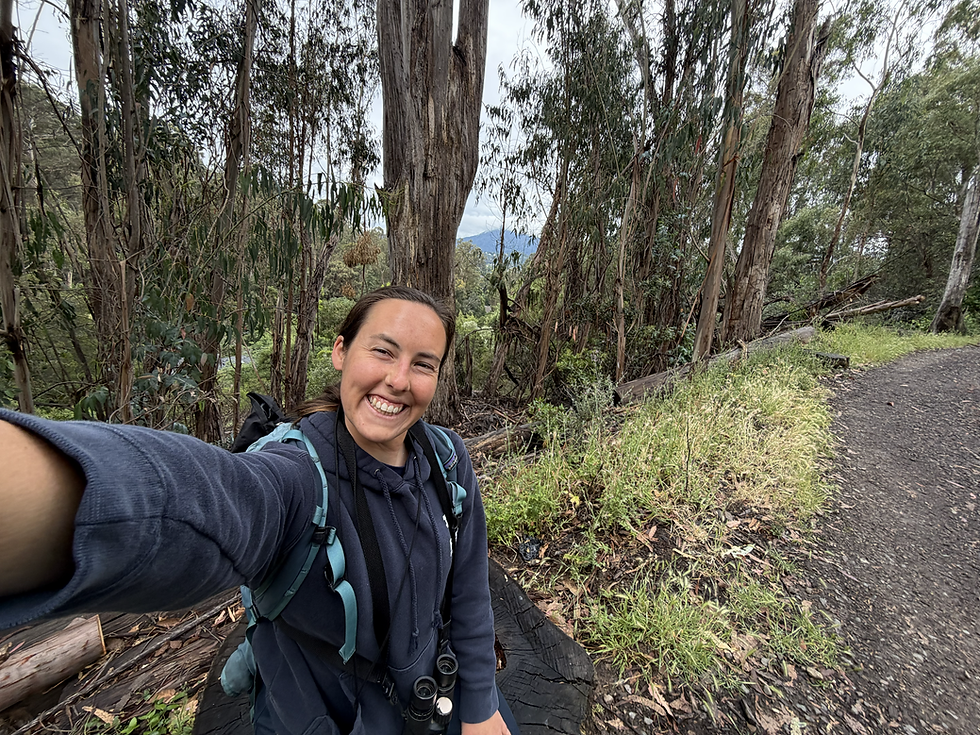
I was introduced to Carquinez Regional Shoreline, a historic oak woodland and grassland interface, within my first week at the office. This habitat restoration site was transformed by the Scenic fire in 2023 that burned about 150 acres. The fire was particularly severe and erratic, scorching the invasive grass, eucalyptus grove, and oak trees. In the days following containment, two things became clear: the remaining eucalyptus corpses were a hazard to park visitors; and the scorched earth had awakened a seedbed of native grasses and forbs that had laid dormant from invasive competition.

In the following three years, the park district removed hazardous eucalyptus trees, planted oaks and buckeyes and created patches of native grassland species. Yampa grass, Sticky monkey flower and Yarrow were among some of the first native plants to emerge and remain across the site.

The core questions became ‘How can we restore grasslands?’ and ‘What is the easiest, most effective, low maintenance way to reintroduce native grassland species?’

And so we scattered local seed across a study area, specifically over fifty plots with various soil treatments. I returned to the site, week after week, and observed the seedlings push out their first true leaves. As the plots began to fill in, so did the surrounding vegetation. After several months of close monitoring it became clear that the native seedlings were being crowded out by nonnative grasses and forbs. The seedbed and seed rain from the surrounding invasive grassland had produced a round of invasives that expanded into cleared plots. This meant my initial plan of not weeding was essentially a death sentence for the native grassland seedlings that had managed to survive the abnormally dry winter and warm spring.
It was in this moment I began to fully grasp just how challenging it would be to bring ecosystems back to their historic baselines. I had worked in dry shrubland habitats where plants needed a year or so of hand weeding to establish and survive, but grasslands operate in a distinct way. Grasses often prefer to start by seed and annuals will go through the entirety of their life cycle in a year. They release their seed banking on a bit of bare soil and suitable growing conditions for germination the following year. As the dense field of oat and thistle began to encircle the study plots, I began to wonder where native seeds would land and how they physically competed for space.
I currently have the capacity to consistently weed this acre of grassland but the park district has over 126,000 acres of habitat, not to mention the historic grassland acreage of the globe. These lands have been tended and meticulously managed by indigenous stewards since time immemorial - on this site specifically the Karkin people. Indigenous management of grasslands in particular, brought this ecosystem into existence and sustained it with active management. The ecosystems that surround us are in a constant state of change and our active exchange with them directly impacts their existence and persistence.
It is our responsibility as stewards to engage with local ecology, create homes for native wildlife and restore what native ecosystems persist in this time.


Comments