

The People Make the Place
Updated: Jun 23
When I accepted my GrizzlyCorps position in Mendocino County, I had just two weeks to prepare before packing my car and driving 32 hours from Wisconsin to California. Looking back, the excitement I felt for this new opportunity was immense. I was eager to learn about California’s unique fire environment, diverse ecosystems, and landscapes. I was also ready to trade snowy winters for a new climate and to embrace the professional opportunities that came with living and working in a completely different part of the country.
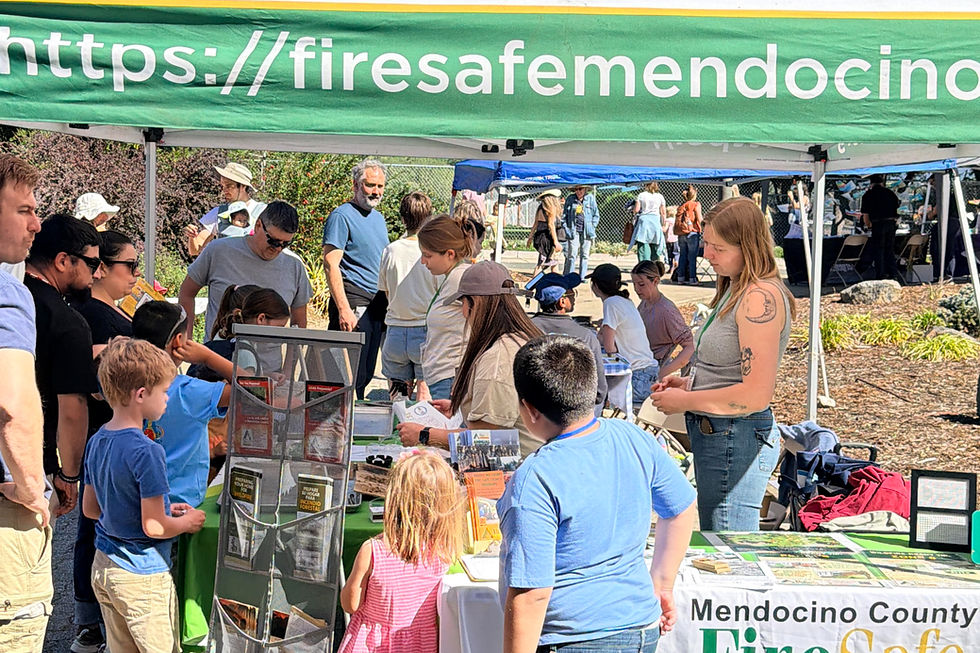
Flash forward to today, over 8 months later, and I’m still continuously learning about all of the things that I initially expected to. I’ve explored the different ecosystems and geological features that shape California, wildfire preparedness methods for people, structures, and landscapes, and the factors that make communities vulnerable to wildfire. I’ve come to appreciate the rainy winter season that has replaced the snow I grew up with, and I’ve benefitted from professional experiences that have both challenged me and helped me to grow.
Aside from those initial expectations, the most impactful, unexpected thing I learned so far is that the people make the place. While working for the Mendocino County Fire Safe Council (MCFSC), I’ve had the privilege of working alongside five dedicated colleagues who’ve made my transition to California as welcoming as possible. Each of them plays an important role in advancing the organization’s mission, and their mentorship and support have had a lasting impact on my experience here. I wouldn’t feel the same sense of place in the organization without a particular colleague, whose leadership, advice, and friendship has helped me integrate and contribute during my service year. This has taught me that some of the most meaningful parts of a job extend beyond the work itself.
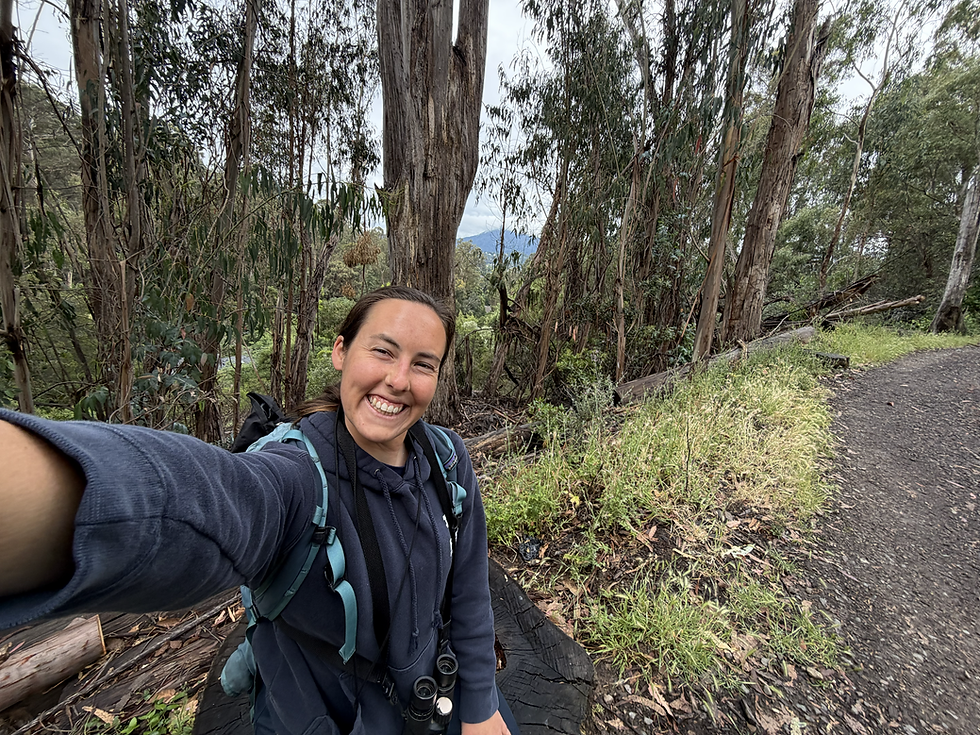
I’ve experienced this same sense of community while living at the Hopland Research and Extension Center (HREC) with two other GrizzlyCorps fellows. HREC is an incredible place, full of history and natural beauty, but what truly makes it special are the people you’ll find here day to day. Living and working alongside two of those people has resulted in many shared meals, conversations, projects, and adventures. This experience has given me two of my best friends and transformed California from a place where I worked into a place that feels like home.

The structure of the GrizzlyCorps program really cultivates an environment where connections like this are possible. The basis of the program is sending a stranger into a rural community in order to work alongside an organization to bridge their capacity gap. In order to successfully do that, there is a certain level of trust, collaboration, and mentorship necessary. Often, many people in rural communities are very welcoming and are willing to accept you into their community which makes the process that much smoother. The people that we meet, interact with, and serve during our service year are the reason for this.


Comments