

Fire Education: Legacy and Landscape
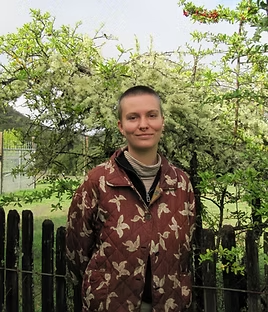
Growing up in the Sierras, where the late summer air would be thick with smoke and evacuations happened more than once, I was aware–like many Californians–of fire as a natural and ubiquitous risk to the beautiful landscape I called home. With a mother who is a professional forester and a father that had a long and multifaceted career in the forest service, I learned from an early age about the role that beneficial fire plays in a healthy forest. Now, serving in GrizzlyCorps, I’ve had the peculiar experience of following both my parents’ career paths in natural resources.

My GrizzlyCorps fellowship has centered around community education. In the winter months, that meant taking kindergarten and first grade kids to the barn to meet young lambs, bottle feed them, and learn about the services that sheep can provide. Spring has focused on teaching middle schoolers about fire as a tool for managing our landscapes and how, like our forests, we too can be adapted and prepared for the wildfires that are an inevitable part of California’s ecosystems. Teaching middle schoolers–the age group with the most notorious reputation of angst and disinterest–about such a complex and serious topic as wildfire has proved to be both challenging and immensely rewarding. Throughout the spring, I’ve found excitement and purpose in teaching kids about topics that I have been exposed to since I was a kid.
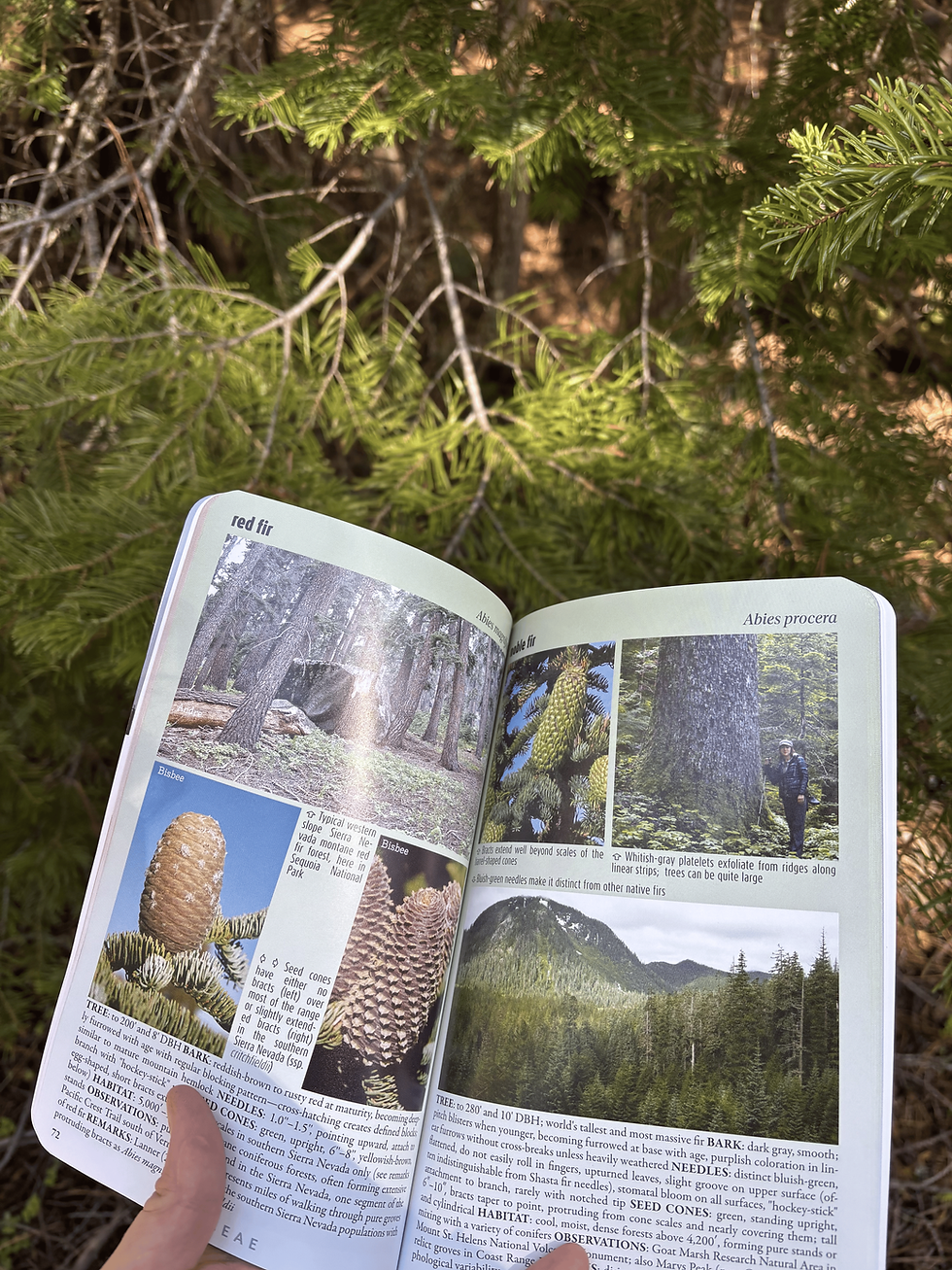
The curriculum is centered around a field trip to my host site, Hopland REC, where students spend time outside learning about native California tree species’ adaptations to fire, and perform a fire physics experiment to gain an understanding of fire behavior. This experiment involves the kids actually lighting a model forest of matches and cotton balls on fire to see how fire moves across the miniature landscape. Just imagine handing a group of thirteen-year-olds a box of matches and telling them to mess around and find out . . . really, what could go wrong? But, in reality we found that most kids–even the rowdiest and typically most distracted kids–seemed to be deeply invested and intrigued by this activity. It was evident that wildfires are something these kids understand as a real-world subject that is relevant to their lives and rural communities. They would get excited to build different forest types, some laddened with cotten balls modeling brush or tall grass, and others propped up to simulate steep slopes or valleys. Some had been helping their parents build burn piles on their property for years, while others had never held a lighter before.

After learning about fire ecology in the context of college classes, it was an exciting challenge to try to translate the complex topics of ecosystem health, land stewardship, and wildfire preparedness into hands-on lessons that might engage the most disinterested of middle schoolers. After graduating college, I had considered pursuing academia in natural resources where I thought I might be able to make some tangible difference in combating the polycrisis of our generation, but as I’ve progressed through my service year, I’ve come to understand that research means very little without the ability to communicate scientific ideas to broader communities in a way that feels meaningful to them. I have found value in my service year through helping students of all ages build connections and understanding of the landscapes and ecosystems they call home.

Comments